
Description
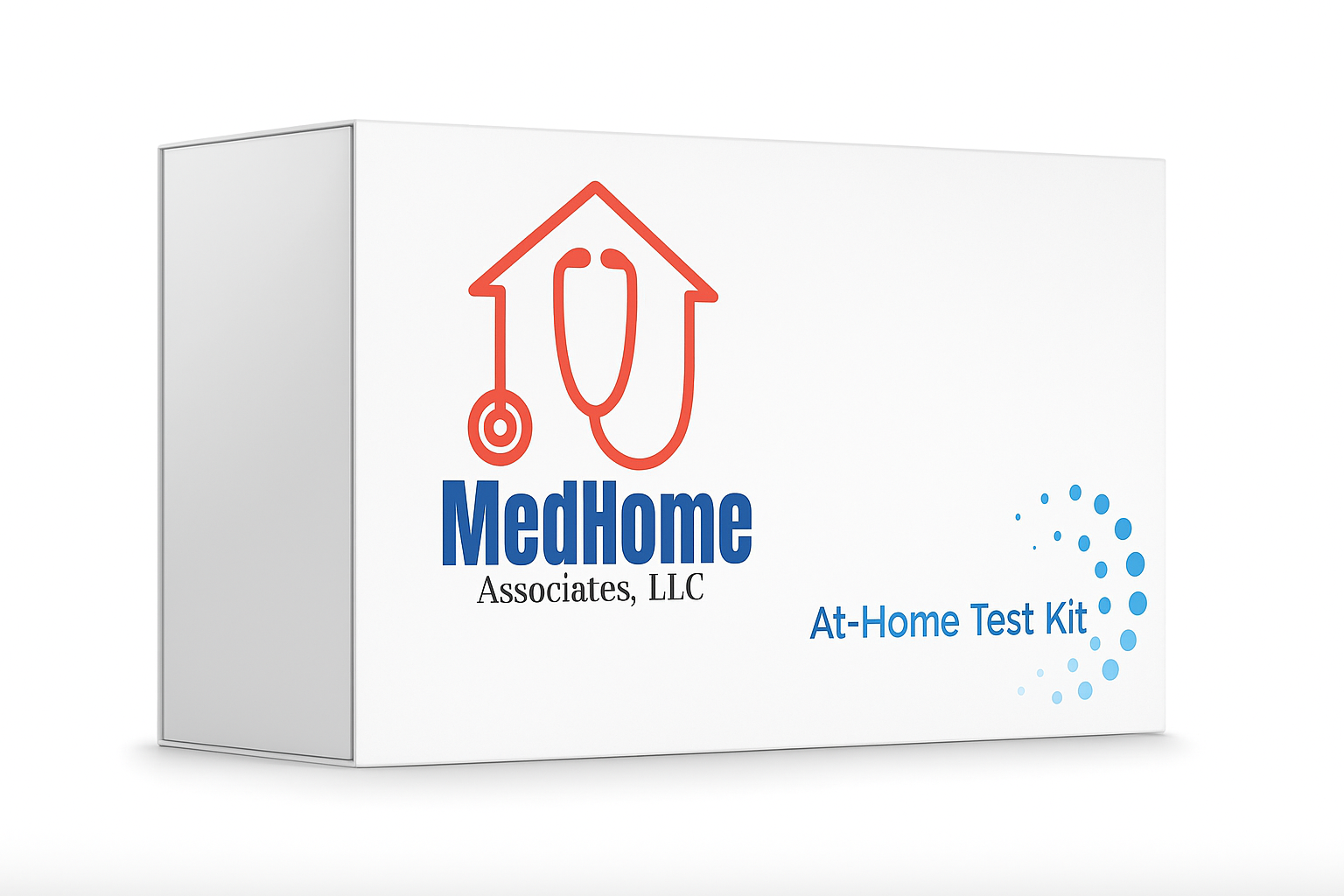
Included: 1 finger-stick blood kit to test Hemoglobin A1c (HbA1c) levels.
Understanding the Hemoglobin A1c (HbA1c) Test
An HbA1c test measures the amount of blood sugar (glucose) attached to hemoglobin, the part of your red blood cells that carries oxygen from your lungs to the rest of your body. The test shows the average glucose attached to hemoglobin over the past three months, which corresponds to the typical lifespan of a red blood cell.
High HbA1c levels may indicate diabetes, a chronic condition that can lead to serious health issues, including heart disease, kidney disease, and nerve damage.
Purpose of the Hemoglobin A1c Test
The HbA1c test may be used to check for diabetes or prediabetes in adults. Prediabetes indicates that your blood sugar levels are higher than normal and that you are at risk for developing diabetes.
If you already have diabetes, an HbA1c test helps monitor your condition and glucose control. Healthcare providers may use HbA1c alone or with other tests to diagnose diabetes and assess how well your treatment is working.
The Importance of the HbA1c Test
This test helps determine if you have elevated blood sugar over the past three months. Based on the results, you can evaluate your risk for prediabetes or assess the control of your existing diabetes treatment.
Symptoms of Diabetes
- Increased thirst
- Increased urination
- Blurred vision
- Fatigue
Test Preparation Requirements
No special preparation is needed. Recent food intake does not affect the HbA1c test, so fasting is not required.
Understanding Your Results
Normal Range (Blood Spot): <6%
Your HbA1c result is given as a percentage. Higher percentages indicate higher average blood sugar levels:
- Normal: below 5.7%
- Prediabetes: 5.7% to 6.4%. Prediabetes is a risk factor for type 2 diabetes, and retesting may be needed annually.
- Type 2 Diabetes: 6.5% or higher.
What to Do if Your Hemoglobin A1c is Elevated
We recommend taking a copy of your test results to your healthcare provider for further evaluation, questions, and to plan follow-up studies or treatment as needed.

Reviews
There are no reviews yet.