
Description
About the HPV Test
Enjoy the convenience of an at-home HPV test. HPV (Human Papillomavirus) is the most common sexually transmitted infection. It spreads easily through sexual activity and often presents without symptoms. Many people unknowingly transmit HPV to others, which is why testing at-home or in a doctor’s office is important if you are sexually active.
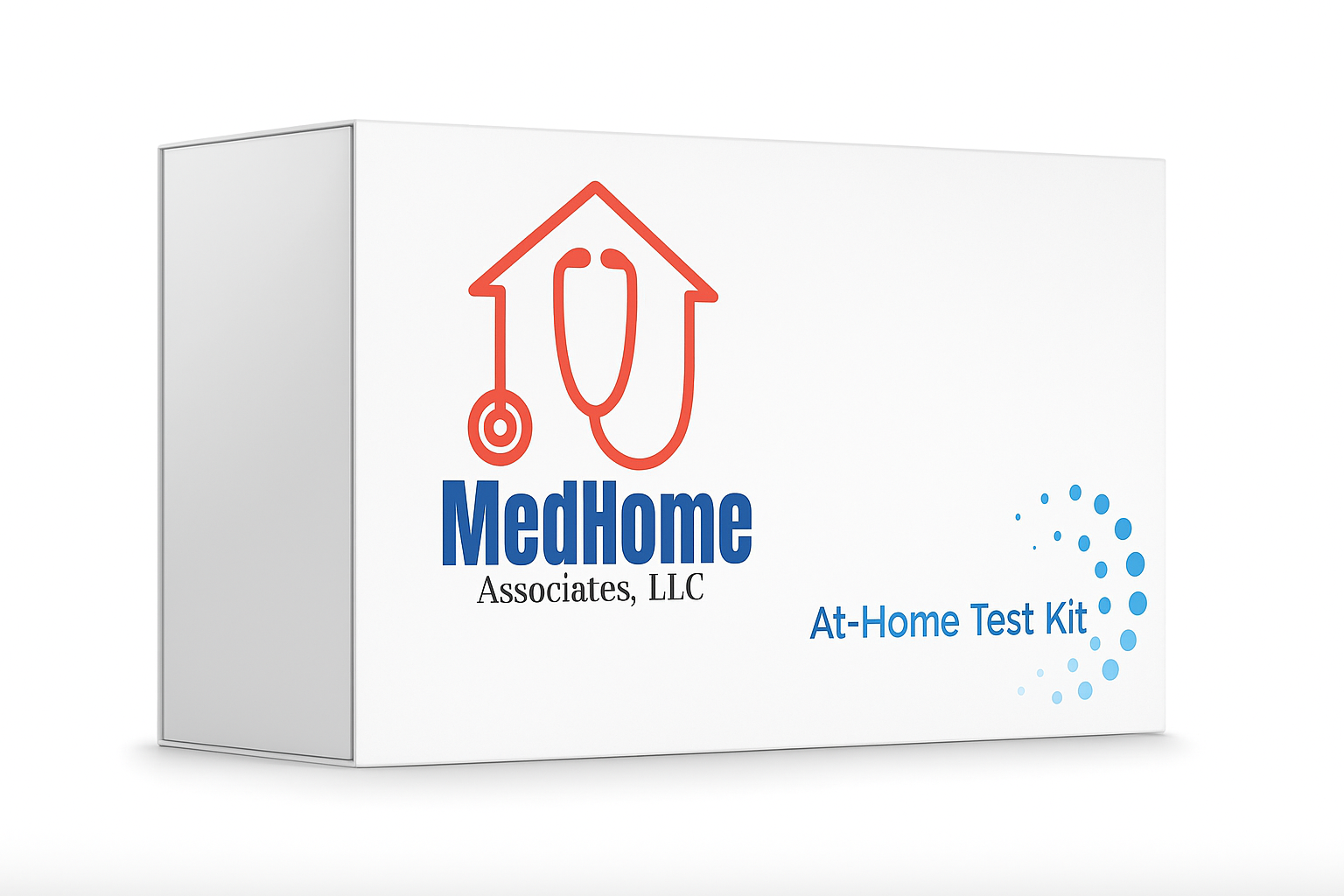
Included: 1 (one) HPV test kit and a pre-addressed return envelope (postage paid).
How it works: This test uses polymerase chain reaction (PCR) and nucleic acid hybridization to detect 14 high-risk HPV types.
Tests for: The test identifies two of the most common high-risk HPV types (HPV16 and HPV18) and a third category, “other high-risk HPV,” which detects one or more of 12 additional high-risk types: 31, 33, 35, 39, 45, 51, 52, 56, 58, 59, 66, and 68.
Who Should Take an At-Home HPV Test?
In women under 30, high-risk HPV infections are common and usually cleared by the immune system within two years. Screening this age group may detect short-lived infections, potentially causing unnecessary worry, treatment, and expenses.
Women 30 years and older should consider testing, as persistent high-risk HPV infections require further evaluation. Testing is important even if you have received the HPV vaccination.
How to Take an HPV Test at Home
- Order your HPV testing kit on the Basic Benefits website. Shipping is free and discreet.
- Follow the instructions to collect a sample. The test takes only a few minutes.
- Send your sample using the pre-paid envelope. It is tested in a CLIA and CAP-certified laboratory for accurate results.
- Receive your results via email within 2–5 days and access them in a secure online portal.
- Schedule a free phone consultation with a physician to discuss your results if needed.
Benefits of an At-Home HPV Test
- Affordable: At-home HPV testing costs $79, compared to higher costs at a doctor’s office.
- Convenient: No need for appointments, travel, or waiting rooms. Testing can be completed in about five minutes.
- Fast results: Results are available within 2–5 days, compared to potentially over a week at a doctor’s office.
How Often Should You Test for HPV?
Sexually active women should test regularly. The American Cancer Society recommends women aged 25–65 get screened every three years. If positive, your physician may suggest more frequent monitoring. HPV infections can recur, so regular testing is important even after a previous infection has cleared.
Reviews
There are no reviews yet.